
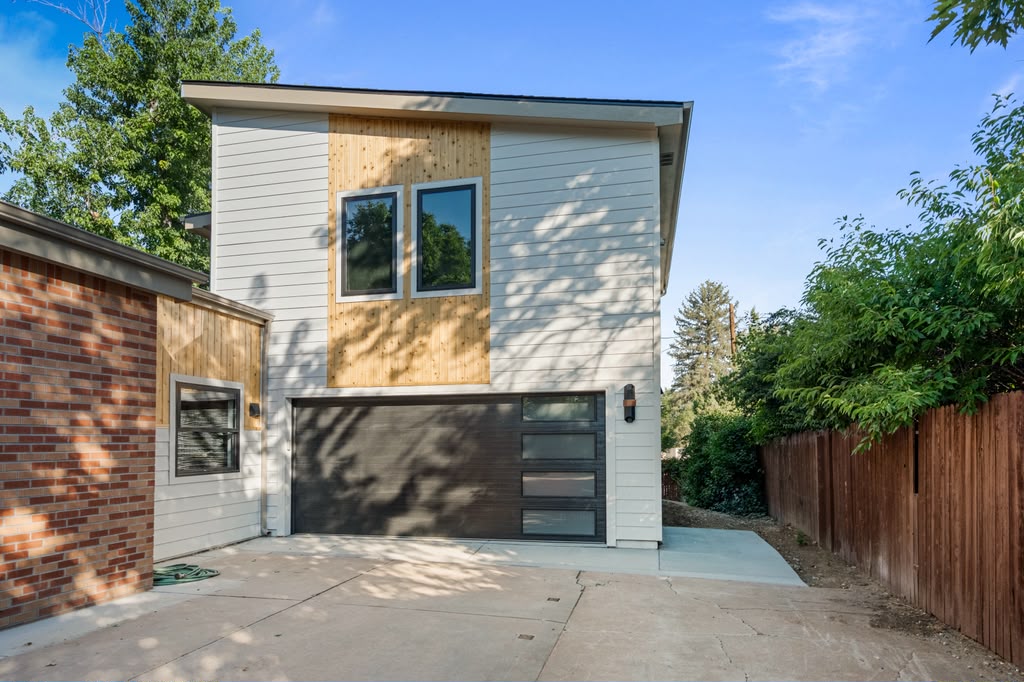
Denver made it dramatically easier to build an accessory dwelling unit: ADUs are now allowed in every residential neighborhood in the city. What the zoning change didn’t do is make them cheap. The biggest reason ADU projects stall is the gap between what homeowners expect to pay and the real number.
So let’s get to real numbers. Here’s what an ADU costs to build in Denver right now, what drives the price, the fees the city and Denver Water actually charge, and one financing program most Denver homeowners have never heard of that can take a serious bite out of the total.
The Short Answer
Most Denver ADUs cost $400 to $550 per finished square foot, all-in. In total dollars:
- Detached new-build ADU: $200,000 to $400,000
- Above-garage / carriage house ADU: $250,000 to $450,000
- Garage conversion: $90,000 to $200,000
- Basement conversion: $100,000 and up
- Prefab/modular ADU: roughly $175,000 to $395,000 depending on size
A realistic planning number for a well-built, roughly 500-square-foot detached ADU on a straightforward Denver lot is $245,000 to $285,000. Bigger units, difficult sites, and custom design push past $400,000.
If those numbers are higher than the ones you’ve seen online, it’s because a lot of published ADU figures are national averages or construction-only quotes that leave out site work, utilities, design, and fees. The numbers above are what Denver projects actually close at.
Where the Money Goes
The structure itself: about half the budget. Framing, roofing, windows, insulation, drywall, kitchen, bath, and finishes. This is the part most estimates cover, and why construction-only quotes feel misleadingly low.
Foundation: $15,000 to $40,000. On stable soil, the lower end. On the expansive clay common across the Front Range, engineered foundations push toward the top of that range. A soils report early in design is cheap insurance.
Site work: $5,000 to $15,000. Excavation, grading, and getting materials to a backyard. Lots with alley access are meaningfully cheaper to build on than lots where everything comes through a side yard.
Utility connections: $5,000 to $15,000. Trenching water, sewer, and electrical to the new unit. Distance from the main house matters, and if your sewer line is older clay pipe, plan review may surface upgrades you weren’t expecting.
Design and permits: roughly $8,000 to $12,000 combined for city fees and tap fees. More on this below, because Denver’s actual fees are lower than most homeowners fear. Architectural design is separate and varies widely; pre-approved ADU plans can save several thousand dollars and two to three months.
Contingency: 10 to 15%. Not optional. Every experienced builder will tell you the same thing.
One Denver quirk worth knowing: if you convert a garage and eliminate the home’s parking, Denver may require you to compensate for that parking elsewhere on the lot, which can add $10,000 to $30,000 and erase much of what made the conversion cheap. Check this before falling in love with a garage conversion budget.
The Fees: Smaller Than the Rumors
Denver homeowners regularly hear that permits and tap fees add $30,000. That figure is out of date.
Denver Water charges ADUs a dedicated, discounted System Development Charge of about $2,170 for a property inside Denver, a fraction of the five-figure tap fee charged on a new single-family home. A water efficiency credit can reduce it further. Building permit and plan review fees for a new dwelling structure typically run $5,000 to $6,000. All told, permits plus tap fees generally land in the $8,000 to $12,000 range. That’s real money, but not the wall many homeowners assume.
The sewer side runs through Denver’s wastewater review, which checks whether your existing line can handle a second dwelling. This is the review that catches homeowners off guard, so have your builder scope the sewer early.
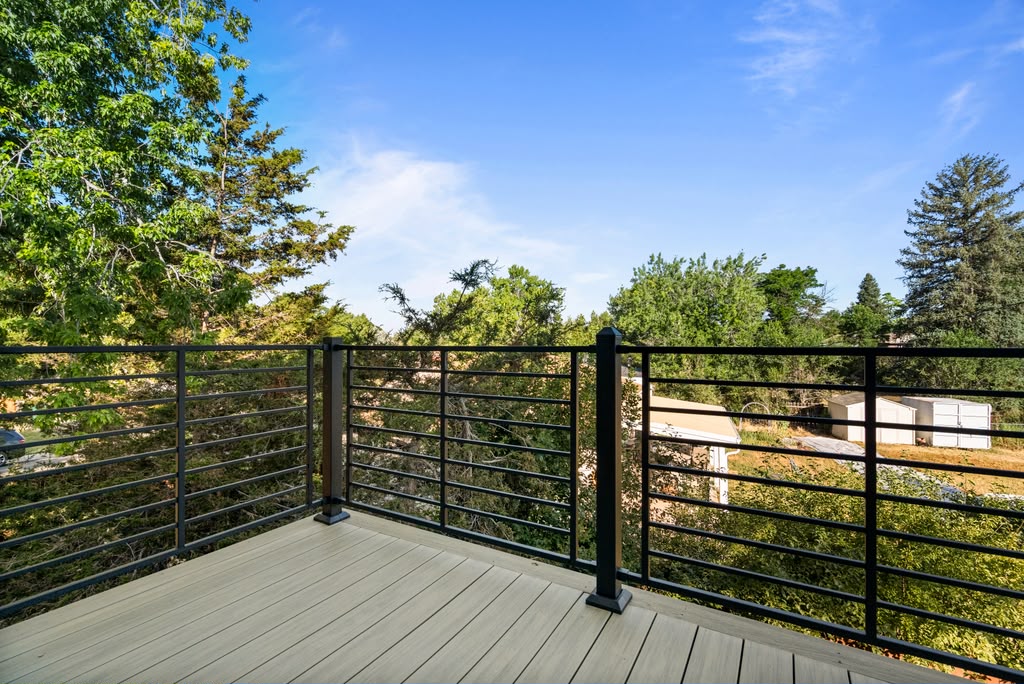
The Financing Program Most Homeowners Miss
Here’s the correction to the most common piece of bad information circulating about Denver ADUs: Colorado’s new state ADU loan and grant programs, the ones created by the 2024 state ADU law, are only available in cities certified as “ADU Supportive Jurisdictions,” and Denver currently isn’t one. If an article tells you to go get the state CHFA money, it’s not writing about Denver.
What Denver homeowners do have is arguably better: the West Denver Renaissance Collaborative’s ADU program, run with the Denver Housing Authority and Habitat for Humanity, now open citywide. If you’ve lived in your neighborhood at least two years, the program offers $45,000 to $85,000 in cost savings on your ADU build, and all income levels qualify for the base tier. The trade-off is a 25-year affordability covenant: the unit rents at affordable rates and can’t be used as a short-term rental. For homeowners planning long-term rental to family or community members anyway, it’s one of the strongest ADU subsidies in the country.
Outside that program, Denver ADUs are typically financed with a HELOC, home equity loan, cash-out refinance, or a renovation loan. These loan products have recently become friendlier to detached ADU projects, including options that disburse funds earlier for modular builds.
Does the Math Work?
A typical detached Denver ADU around 550 square feet rents for roughly $1,650 a month long-term, and more in the most desirable neighborhoods. Call it $19,000 to $20,000 a year in gross rent. Against a $250,000 to $280,000 build, that’s a payback measured in a decade or more on rent alone. But ADUs also add meaningful resale value, and for many families the real return is housing a parent, an adult child, or a caretaker at a fraction of Denver rents. Note that short-term rental of an ADU is only allowed if the property is your primary residence, so build the plan around long-term use.
A quick word on who you’re hiring when you work with us: with every project we complete at Building While Giving, 5% of our profit goes toward causes that build up families and communities, chosen by our clients. An ADU that houses family and gives back at the same time is about as on-mission as it gets for us.
Get a Real Number for Your Lot
Every ADU budget ultimately comes down to your lot: soil, sewer, access, and zoning form standards. If you’re weighing an ADU or home addition in Denver, we’ll assess your site, give you an honest all-in range before you spend a dollar on design, and tell you plainly whether the WDRC program fits your plans.
Contact us to get started.
—