
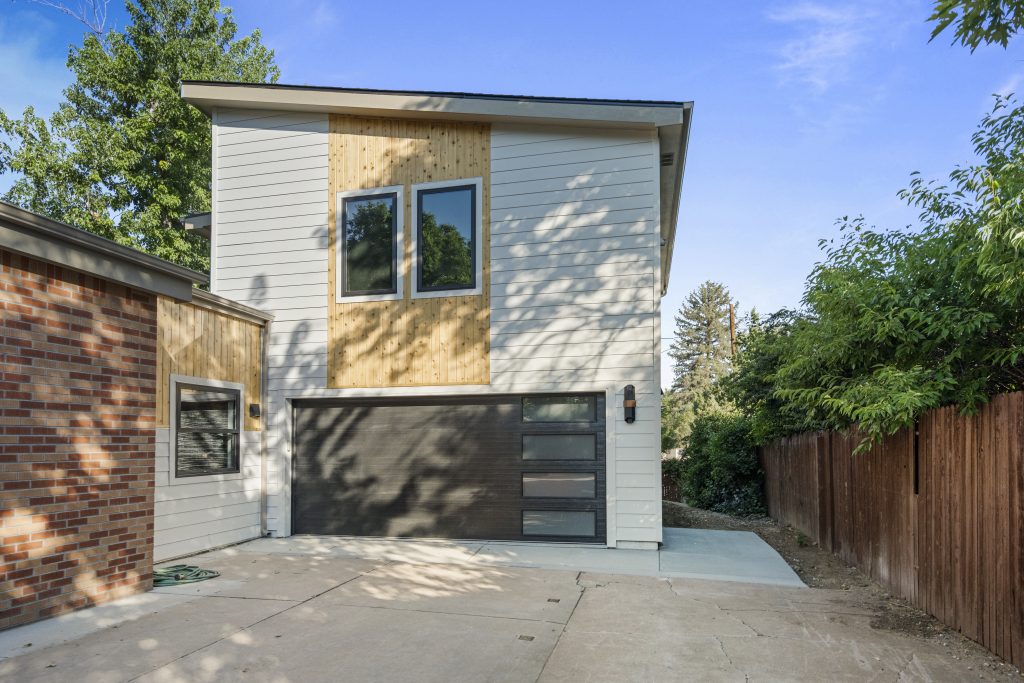
Accessory Dwelling Units (ADUs), whether a backyard cottage, carriage house, or garage conversion are one of the smartest investments Colorado homeowners can make. They provide rental income, expanded living space for aging loved ones, or a flexible home office while adding real value to your property.
But the first question most people ask is…
How do I pay for an ADU in Colorado?
In this guide, we’ll break down the most common financing options, from traditional loans to grants and creative solutions, so you can move forward with confidence.
1. Traditional Home Equity Financing
If you’ve built equity in your home, this is often the most straightforward way to pay for an ADU.
???? Home Equity Loan (HEL)
- Fixed interest rate
- Lump-sum payment
- Predictable monthly payments
- Ideal if you want the full budget upfront
???? Home Equity Line of Credit (HELOC)
- Works like a credit card backed by your home equity
- You borrow as you need
- Interest only on what you draw
- Great for phased ADU projects
???? Colorado tip: Lenders may focus on your current home value before an ADU is built, so get an appraisal estimate showing projected value with the ADU.
2. Cash-Out Refinance
Refinance your mortgage for more than you owe and take the difference in cash.
Advantages:
- Lower interest rates than some home equity products
- Can fund the entire ADU
Disadvantage:
- Resets your mortgage timeline and make sure the math still works.
3. Construction Loans
If you’re building a brand-new detached ADU, a construction loan can be a good fit.
???? How it works:
- Short-term loan (usually 6–18 months)
- Converts to permanent financing at completion
- Draws funds as construction progresses
Pros: Tailored for build costs
Cons: Higher interest during construction
4. FHA & Government-Backed Options
While not always available just for ADUs, some federal options can help:
???? FHA 203(k) Renovation Loan
- For converting existing structures (like garages) into ADUs
- Includes both purchase/refinance and renovation funds
???? Fannie Mae HomeStyle Renovation Loan
- Allows renovation and financing under one loan
- Can be used for attached or detached ADUs
5. Grants, Rebates, and Local Incentives (Colorado-Specific)
Colorado has some exciting incentives aimed at increasing housing supply, including ADUs.
???? Local Jurisdiction ADU Incentives
Cities like Denver, Boulder, and Fort Collins have:
- Reduced permitting fees for ADUs
- Impact fee waivers
- Streamlined approvals
These savings can be thousands of dollars.
???? Workforce Housing Grants
Programs tied to affordable housing may offer grants or low-interest funds — especially if you agree to rent at affordable rates.
6. Private Financing & Personal Loans
Many homeowners tap personal loans, partner financing, or family funding to kickstart ADUs.
Short-Term Bridge Loans
- Good for cash-flow
- Short repayment horizon
Investor “Partners”
- Equity partner in rental ADU
- Splits revenue and build cost
- Important to formalize structure and agreements
7. Creative, Hidden, and Overlooked Options
Here are some strategies that many folks in Colorado don’t think about upfront:
✨ Contractor or Builder Financing
Some builders (including community-minded ones like us) offer financing partnerships or staged payments tied to project phases. This reduces the upfront cash required.
✨ Retirement Account Borrowing
Certain 401(k) plans allow loans up to $50,000 without early-withdrawal penalties.
⚠️ Use with caution and advise with your tax professional.
✨ Cash-Flow From Future Rental Income
Some lenders will underwrite based on projected rental income from the ADU — especially in high-demand Colorado markets.
Which Option Should You Choose?
| Goal | Best Options |
|---|---|
| Low monthly payment | HELOC, Cash-out refinance |
| No new mortgage reset | HELOC, Home Equity Loan |
| Full construction funding | Construction Loan |
| Renovation of existing structure | FHA 203(k), HomeStyle |
| Maximize savings | Local grants & fee waivers |
| Creative funding | Builder financing, rental underwriting |
Every homeowner’s financial situation is different and Colorado’s landscape is always evolving. The key is to plan early and talk to lenders familiar with ADUs and local incentives.
Frequently Asked Questions
“Will my property taxes go up?”
Yes, most ADUs increase assessed value, which can raise property taxes. But rental income often outweighs the cost.
“Can I use an ADU for short-term rentals?”
Regulations vary by city. Denver and Boulder have specific rules. Check with your local planning department.
Will my property Value go up?
Yes! Read our blog here to look at return on investment on an ADU.
Start Your ADU Journey Today
At Building While Giving, we’ve helped dozens of Colorado homeowners fund and build their ADUs, from financing strategies to final walk-throughs.
???? Ready to see what your ADU might cost and how to pay for it?
???? Call us at 720-968-7874 or visit www.buildingwhilegiving.com for a free consultation and custom financing roadmap.