
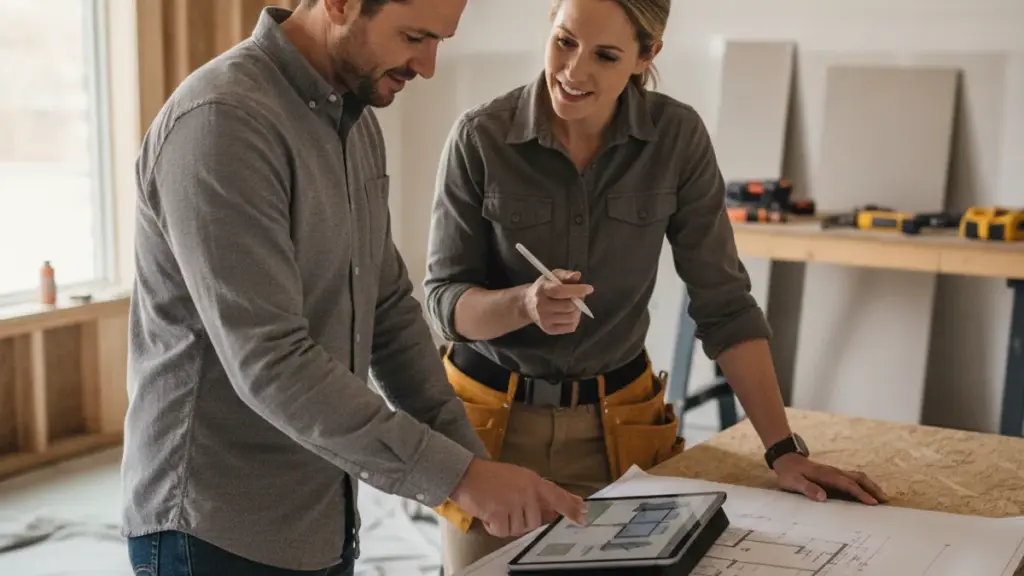
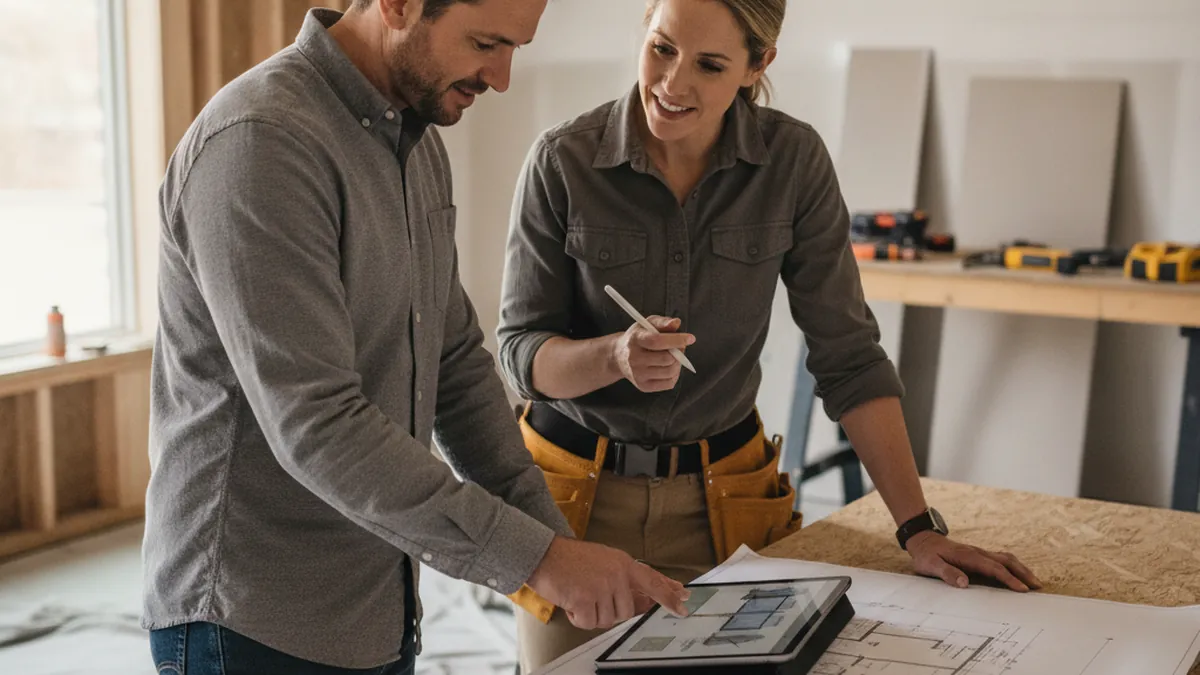
How to Manage a Contractor: Why Communication Matters
Denver’s construction market moves fast, with material costs fluctuating, permitting requirements that vary by municipality, and tight labor availability. Miscommunications can quickly lead to change orders, delays, or finishes that don’t match what you envisioned.
Good communication protects your investment, reduces anxiety, and helps your contractor deliver results that truly add value to your home—whether you’re in Highlands Ranch, Washington Park, Littleton, or elsewhere in the metro area.
Set Clear Expectations from Day One
Start strong during the initial consultation and contract phase.
- Be specific about your goals, priorities, and non-negotiables. Don’t just say “modern kitchen.” Share what that means to you: quartz countertops, specific cabinet styles, layout changes, or must-have features like a walk-in pantry.
- Discuss your lifestyle and constraints upfront. Will you work from home? Do you have young kids or pets? Need to stay in the house during construction? Share timelines for family events or travel.
- Review the scope of work in detail. Ask questions until everything is crystal clear. Request itemized proposals with material allowances, timelines, and payment schedules tied to milestones.
Pro Tip: Use photos, Pinterest boards, or magazine clippings. Visuals eliminate guesswork.
Choose (and Use) the Right Communication Tools
Reliable contractors provide structured ways to stay in touch.
- Ask for access to a client portal (like JobTread) where you can view schedules, daily updates, photos, invoices, and messages in one place.
- Establish preferred response times—e.g., texts for quick questions, email for formal approvals.
- Schedule regular check-ins (weekly for larger projects) so nothing falls through the cracks.
Consistent updates build confidence and catch small issues before they become big problems.
Ask Questions Early and Often
Part of learning how to manage a contractor is knowing there’s no such thing as a dumb question in a remodel. Your contractor wants you to understand the process.
- During material selections: Clarify maintenance needs, durability in Denver’s dry climate and altitude, and long-term value.
- On changes: Understand the cost and timeline impact before approving.
- On progress: If something looks off during a site visit, speak up right away.
Honest contractors appreciate proactive homeowners—they’d rather address concerns immediately than deal with dissatisfaction later.
Provide Timely Feedback and Decisions
Delays often stem from waiting on homeowner approvals.
- Respond promptly to requests for selections, changes, or sign-offs.
- If you need more time, communicate that clearly and set a new deadline.
- Trust the expertise of your team while advocating for your vision. A good contractor will explain why they recommend something (e.g., code requirements or better ROI) without pressure.
Handle Challenges with Respect and Clarity
Construction is unpredictable—weather, supply chain hiccups, or hidden issues in older Denver homes can arise.
- Stay solution-focused. Frame issues collaboratively: “How can we solve this while staying close to budget and timeline?”
- Document everything important in writing (email or portal) for clarity.
- Remember the human element. Kindness goes both ways—your contractor and crew are working hard to make your home better.
Communication Red Flags (and Green Flags)
Knowing how to manage a contractor also means knowing the warning signs. The FTC’s guide to avoiding home improvement scams is a useful reference if something feels off.
Watch for:
- Vague responses or avoidance of written commitments.
- Pressure to make rushed decisions.
- Lack of regular updates.
Celebrate:
- Prompt, clear replies.
- Transparent sharing of challenges and solutions.
- Organized documentation and client portals.
The Bigger Picture: Building with Purpose
Effective communication isn’t just about tiles and timelines—it’s about creating a partnership. When you and your contractor are aligned, the result is a home that feels good to come back to every day, while supporting meaningful causes.
At Building While Giving, clear communication is core to how we operate. You’ll always know what’s happening, why, and what comes next. And a portion of every project helps provide hope to families and communities across the U.S.
Ready to Put These How to Manage a Contractor Tips to Work?
If you’re planning a kitchen remodel, bathroom upgrade, basement finish, ADU, or whole-home project in the Denver area, let’s start with an honest conversation.
Schedule your free consultation today at buildingwhilegiving.com/contact-us. We’ll listen to your vision, walk your space, and create a clear plan tailored to your home and goals.
Transform your home into a space that feels good to come back to every day—and make a difference while you do it.